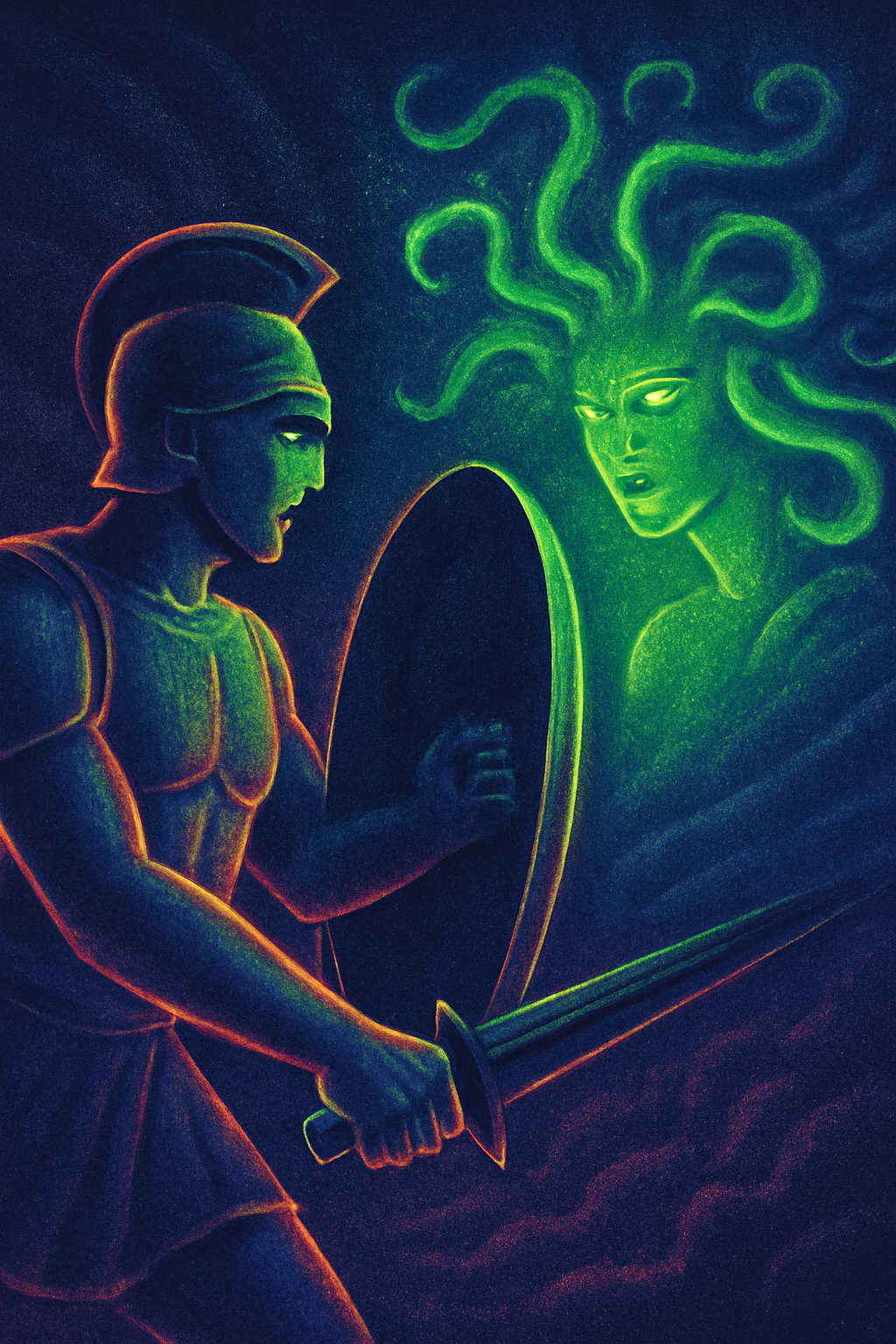
When someone asks us to draw a monster, our minds quickly fill in certain details: sharp teeth, big eyes, and strange, disproportionate bodies. But why do we keep thinking of these features? Why, when we imagine a monster, do we always seem to picture something specific and terrifying? To answer this, we need to dive into some psychology, ethics, and morality. It’s not just about what we see in the monster, it’s also about what the monster tells us about ourselves.
Let’s start with the idea of monsters as symbols of the unknown and the “forbidden.” According to psychologist Carl Jung, monsters can be seen as reflections of deep fears in our unconscious mind. When we imagine a monster, it’s not just a strange creature; it represents things in our society that are considered “wrong” or “unacceptable.” For example, monsters are often tied to ideas that go against nature, logic, or morality. When we draw a monster, we are often projecting our own fears and ideas about what does not fit into our idea of what is “right” or “normal.”
From an ethical standpoint, the concept of a monster is closely linked to society’s rules and morals. What we consider “monstrous” changes depending on the culture or time period. Over the centuries, the idea of a monster has shifted, from the mythological creatures of ancient Greece to the frightening figures of modern horror films. But monsters always symbolize something that threatens the order of things. For example, think of Frankenstein: his creation represents the misuse of science and the breaking of human ethical boundaries. Or consider monsters in films like The Thing or Alien, where the monsters symbolize our fear of the unknown and what escapes human control. Monsters scare us not only because of how they look, but because they represent what could break the rules and norms of what we consider “right.”
When a monster has a strange appearance, with oversized eyes or an odd body shape, it’s often a way of showing something that seems “wrong” or “evil.” Our fear of monsters isn’t just about physical appearances. It’s about things that challenge what we think is good and moral. When we draw a monster, we’re facing a dilemma of what should be rejected and what is acceptable. The monster represents a moral challenge, something that breaks the boundaries of what we understand to be “good” or “right.”
Philosopher Immanuel Kant wrote that morality is a universal principle that transcends cultures and individual beliefs. He believed that human reason helps us distinguish between right and wrong. But monsters, with their “non-rational” nature, make it hard to apply that distinction. Monsters don’t follow logic or reason, which is exactly what makes them so scary. They make us reflect on how actions or behaviors that we consider “monstrous” aren’t just illogical, they’re also immoral. In this way, the monster isn’t just something we fear physically, but also something that challenges our ethical ideas of right and wrong.
The relationship between monsters and aesthetics, what we find “beautiful” or “ugly,” is also important. In art, the idea of the monstrous doesn’t just aim to scare us. It also makes us think. When we look at a monster, we’re not just seeing something scary, but also making judgments about what’s acceptable and what’s not. Monsters often symbolize things that don’t fit our ideas of beauty or order. In this way, they reflect our ideas about morality and ethics. Throughout art history, monsters have been used as symbols of breaking the rules: from Goya’s dark, disturbing figures to Guillermo del Toro’s monsters in Pan’s Labyrinth, which challenge our beliefs about life, death, beauty, and ethics.
Ultimately, when we draw a monster, we’re often reflecting an internal conflict: the tension between what society tells us is morally right and what we personally feel is “wrong,” “dangerous,” or “unacceptable.” The monster becomes a space where our fears and societal rules clash. We’re afraid of monsters not just because of how they look, but because they represent a challenge to our worldview.
So, when you’re asked to draw a monster, think about this: what you’re drawing is not just a strange creature, but a symbol of your own fears and beliefs about what’s right and wrong, what’s acceptable and what’s not. Monsters aren’t just things we fear; they’re mirrors of what we reject, what we don’t understand, and what maybe we need to learn to accept.
Deja un comentario